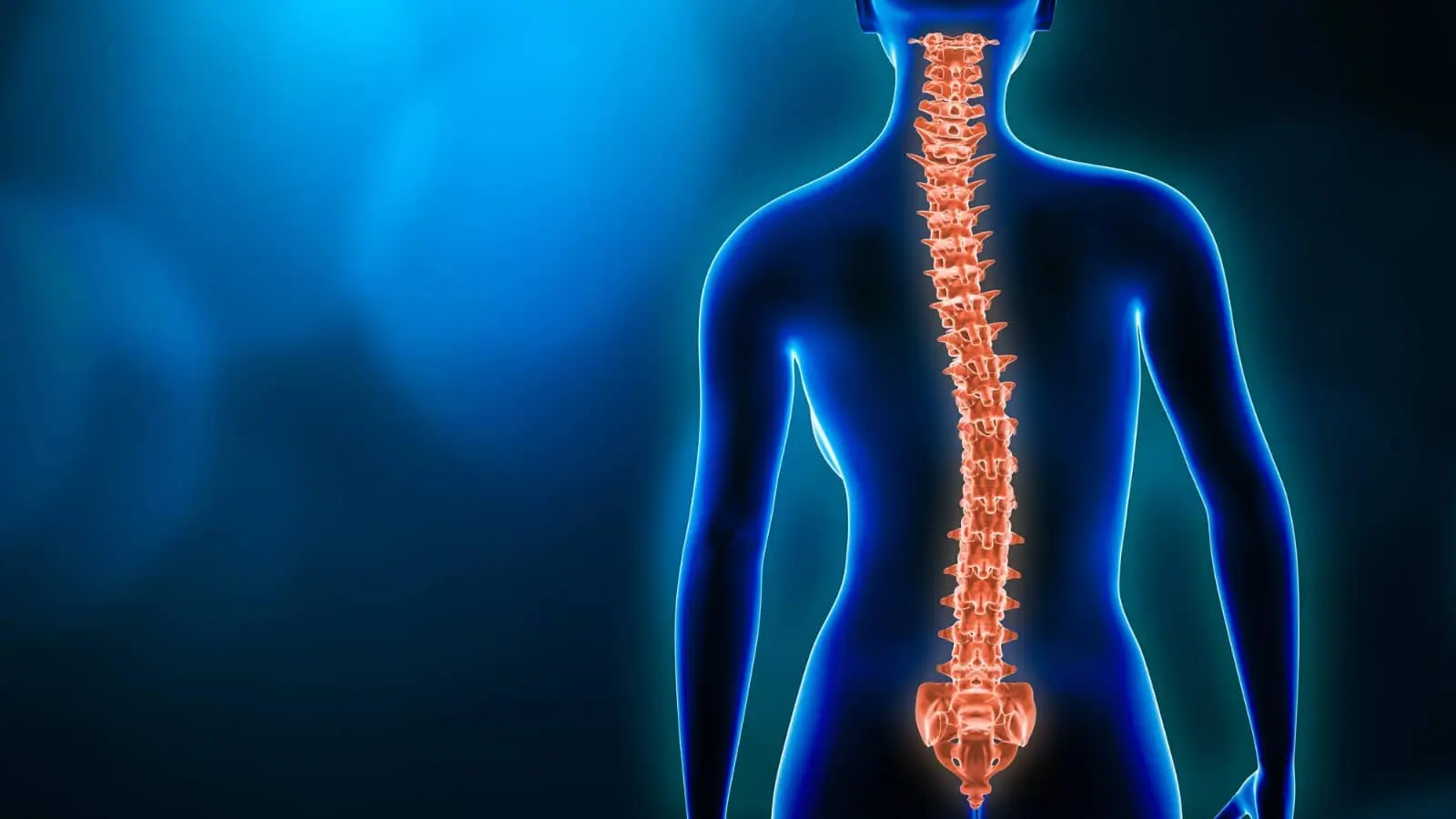
Dextroscoliosis is a form of scoliosis where the spine curves to the right side of the body, most often in the mid-back. While the name may sound intimidating, the condition is both common and highly manageable when understood early. Whether you’re a parent concerned about your child’s posture or an adult experiencing new back symptoms, learning about dextroscoliosis can make the process feel far less overwhelming.
This guide breaks down everything you need to know—from causes to treatment options—clearly, compassionately, and with the insights patients find most helpful when navigating a new diagnosis.
What Is Dextroscoliosis?
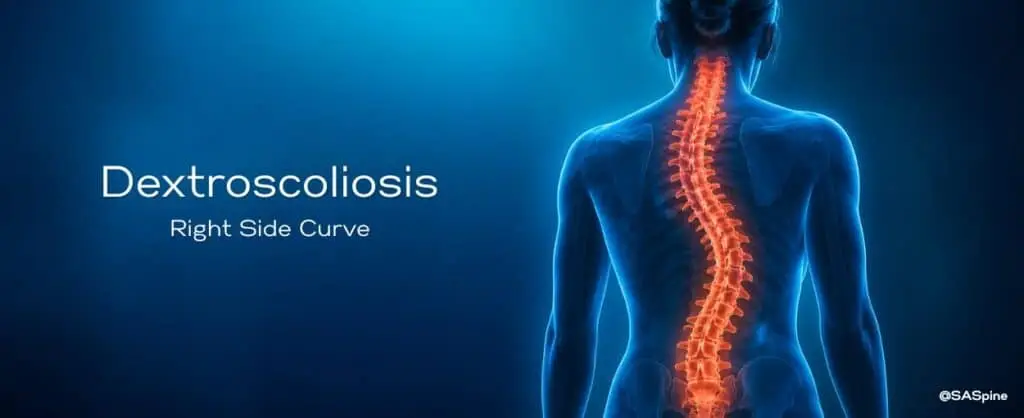
If you’ve just heard the term dextroscoliosis, it simply means that the spine curves toward the right side. Many people imagine scoliosis as a dramatic bend, but most curves start small and may be barely noticeable. Understanding the direction of the curve matters because it affects posture, treatment options, and how the ribcage or lungs might be involved.
Dextroscoliosis refers to a sideways curvature that bends toward the right. Most curves occur in the thoracic spine, but they can also appear in the lumbar or thoracolumbar regions.
What makes dextroscoliosis worth understanding beyond the basic definition is how the spine compensates around the curve. Because the spine doesn’t simply bend in isolation, surrounding muscles, vertebrae, and connective tissue begin to adapt to the altered alignment over time. In thoracic curves, this compensation can create visible asymmetry in the ribcage and shoulders. In lumbar curves, it often shows up as an uneven waistline or subtle differences in hip height. These secondary changes are frequently what prompt patients or parents to seek an evaluation in the first place, even before any imaging has been done.
The direction of the curve also carries clinical significance. Thoracic dextroscoliosis, the most common presentation, curves the spine toward the right in the mid-back. This is considered the typical pattern in idiopathic scoliosis. When a thoracic curve bends to the left instead, specialists often investigate more carefully for underlying neurological causes, because left-leaning thoracic curves are statistically less common and more frequently associated with other conditions.
Understanding this distinction is part of why an experienced spine specialist evaluates not just the degree of the curve, but its location, direction, and behavior over time.
How It Differs From Levoscoliosis
- Dextroscoliosis: curve goes right
- Levoscoliosis: curve goes left
Curve patterns also vary:
- C-shaped: single curve
- S-shaped: two curves that balance each other
Understanding the basics of direction and shape helps patients and families make sense of imaging results and treatment plans. With early detection, most curves are manageable and closely monitored.
Quick Answer – What is dextroscoliosis?
Dextroscoliosis is a form of scoliosis in which the spine curves abnormally to the right side of the body, most commonly in the thoracic (mid-back) region. Unlike a healthy spine, which runs vertically when viewed from behind, a spine affected by dextroscoliosis bends laterally, creating postural imbalance that may affect the shoulders, ribcage, waistline, and in severe cases, lung function. The condition ranges from mild curves that require only monitoring to significant curves that benefit from surgical correction. According to Dr. Steven Cyr, a Mayo Clinic-trained orthopedic spine surgeon and one of the nation’s leading scoliosis specialists, early identification of dextroscoliosis is the single most important factor in preserving a patient’s long-term spinal health and quality of life.
What Causes Dextroscoliosis?
One of the most confusing parts of scoliosis is not knowing why it happens. In many cases, especially in kids and teens, there isn’t a single cause — and that’s normal. Most patients did nothing to “cause” their scoliosis, and parents didn’t miss anything. The condition can result from growth patterns, genetics, or changes in the spine over time.
For most patients, the cause is idiopathic, meaning unknown. However, several contributing factors exist.
Idiopathic (Most Common)
Accounts for 80–85% of cases, often appearing during rapid growth.
Idiopathic dextroscoliosis is most commonly diagnosed during adolescence, typically between the ages of 10 and 16, when the spine is growing rapidly and structural changes become more apparent. While the precise origin remains unknown, current research points to a combination of genetic predisposition, asymmetric growth patterns, and changes in the way the brain and nervous system regulate spinal alignment during development. Having a first-degree relative with scoliosis meaningfully increases a child’s risk, which is why specialists often recommend that siblings of diagnosed patients be evaluated as well. The good news is that idiopathic curves, when caught early, respond well to conservative management and rarely progress to the point of requiring surgery.
Congenital
Caused by vertebrae that developed abnormally in the womb.
Congenital dextroscoliosis originates before birth, when one or more vertebrae fail to form completely or fail to separate properly during fetal development. This creates a structural imbalance in the spine that is present from birth, though it may not become visually apparent until a child begins to grow. Because the curve is structural rather than positional, congenital cases are monitored closely from an early age and sometimes require surgical intervention sooner than idiopathic cases. Early imaging and specialist involvement are particularly important here, as congenital curves can progress unpredictably and may be associated with abnormalities in other organ systems, including the kidneys and heart.
Neuromuscular
Associated with conditions that weaken spinal-supporting muscles.
Neuromuscular scoliosis develops as a secondary effect of conditions that impair the muscles or nerves responsible for keeping the spine upright. Cerebral palsy, muscular dystrophy, and spinal muscular atrophy are among the most common underlying causes. When the muscles surrounding the spine cannot maintain balanced support, the vertebrae gradually shift, often producing longer, more sweeping curves than those seen in idiopathic cases.
These curves tend to progress more consistently over time and can affect sitting balance, respiratory function, and overall quality of life. Treatment planning for neuromuscular dextroscoliosis requires close coordination between the spine specialist and the patient’s broader medical team, as the underlying condition shapes every aspect of the approach.
Degenerative (Adult-Onset)
Age-related disc or joint changes can lead to a right-leaning curve later in life.
Degenerative dextroscoliosis is the form most commonly seen in adults over 50, and it develops through a very different mechanism than the adolescent variety. As intervertebral discs lose height and spinal joints wear unevenly over time, the vertebrae begin to shift out of alignment, gradually producing a lateral curve. This type of scoliosis is often accompanied by spinal stenosis, arthritis, or disc degeneration, which means patients frequently present with leg pain, numbness, or difficulty walking in addition to back discomfort.
Because degenerative curves develop slowly and often intersect with other spinal conditions, diagnosis and treatment require a specialist with deep experience in adult spinal deformity.
Dr. Steven Cyr has extensive experience treating degenerative dextroscoliosis in all ages and causes, including adults, who have been told their options are limited or who have not found relief through prior treatment.
Symptoms Of Dextroscoliosis
Symptoms vary widely. Some people have visible posture changes, others feel pain or stiffness, and some notice nothing at all. Many parents discover scoliosis when clothing hangs unevenly or during a routine check-up. In adults, discomfort is more common because the spine has less flexibility.
Common physical signs include uneven shoulders, rib prominence on the right, or an uneven waistline. Adults often experience pain or fatigue, while severe thoracic curves may impact breathing.
Symptoms give important clues, but an X-ray is the only reliable way to understand what’s happening inside the spine. When in doubt, early evaluation is always beneficial.
How Dextroscoliosis Is Diagnosed
The diagnostic process is simple and usually painless. Doctors look at posture, movement, and alignment, and then confirm the diagnosis with X-rays. These images help measure the degree of the curve and determine whether it’s stable or progressing.
Diagnosis involves a physical exam, scoliosis-specific maneuvering, and imaging.
- X-rays measure the Cobb angle.
- MRI/CT may be used if neurological symptoms or congenital abnormalities are suspected.
A detailed diagnosis helps create a personalized plan. Knowing the exact curve type and degree allows specialists to recommend the most effective next steps.
Quick Answer
What is a Cobb angle and what do the numbers mean?
A Cobb angle is the standardized measurement used by spine specialists to quantify the degree of curvature in a scoliotic spine. It is calculated from X-ray imaging by drawing lines along the top of the highest tilted vertebra and the bottom of the lowest tilted vertebra, then measuring the angle where those lines intersect. The resulting number determines both the severity of the condition and the appropriate course of treatment. Curves under 20 degrees are typically monitored.
Curves between 20 and 45 degrees may require bracing in adolescents or targeted physical therapy. Curves exceeding 45 to 50 degrees are generally considered candidates for surgical intervention, particularly when they are progressing or causing functional limitations. Dr. Steven Cyr, who has performed complex scoliosis corrections for patients across the country and internationally, uses Cobb angle measurements alongside a patient’s age, skeletal maturity, and symptom profile to develop individualized treatment plans that prioritize outcomes and quality of life over intervention alone.
Treatment Options For Dextroscoliosis
Treatment isn’t one-size-fits-all. Many patients — especially children — never need surgery. Options range from monitoring to physical therapy and bracing, with surgery reserved for severe or progressive cases. Understanding where your curve falls on the spectrum helps reduce anxiety around what comes next.
Treatment includes:
- Observation: for mild curves under 20°
- Physical therapy: strengthens the spine and improves posture
- Bracing: helps prevent progression in growing teens
- Pain management: especially helpful for adults
- Surgery: recommended when curves exceed 45–50° or cause significant symptoms
With modern treatment plans, most patients maintain active, comfortable lives. Every curve is unique, and the right plan focuses on long-term stability and quality of life.
Observation
For curves under 20 degrees in patients who are still growing, active observation is often the most appropriate first step. This means regular appointments with a spine specialist, typically every four to six months, to monitor whether the curve is stable or progressing. X-rays are taken periodically to track changes, and decisions about escalating treatment are made based on real data rather than assumption. Many patients remain in the observation phase for years without ever needing further intervention. What matters most during this period is consistency: staying connected with a specialist who knows the curve’s history is far more valuable than waiting until symptoms become undeniable.
Physical Therapy
Physical therapy for dextroscoliosis is not about reversing the curve. It is about building the muscular support, postural awareness, and movement patterns that help the spine function as well as possible within its current alignment. Scoliosis-specific exercise approaches, particularly the Schroth Method, have shown meaningful results in reducing curve progression and improving quality of life in adolescent patients. For adults, physical therapy plays a critical role in managing pain, preserving mobility, and reducing the functional limitations that degenerative curves can create over time. A skilled physical therapist working in coordination with the treating spine specialist produces far better outcomes than either working independently.
Bracing
Bracing is one of the most effective non-surgical interventions available for adolescents with dextroscoliosis, particularly for curves between 25 and 45 degrees in patients who are still growing. The goal of bracing is not to correct the existing curve but to prevent it from progressing further during the critical growth period. The landmark BRAIST study, published in the New England Journal of Medicine, demonstrated that bracing significantly reduced the likelihood of curve progression to surgical thresholds when worn consistently.
Compliance is the defining variable: braces worn for 13 or more hours per day produce substantially better outcomes than those worn inconsistently. Modern brace designs have become significantly less obtrusive than earlier versions, and many adolescents wear them successfully under normal clothing. For families navigating this decision, understanding that bracing is a time-limited intervention tied to skeletal growth, not a permanent fixture, often makes the commitment more manageable.
Pain Management
For adult patients with dextroscoliosis, pain management is frequently a central part of the treatment plan rather than a secondary consideration. Anti-inflammatory medications, targeted injections, and nerve blocks can reduce discomfort meaningfully while more comprehensive treatment options are evaluated. Pain management works best when it is coordinated with physical therapy and overseen by a specialist who understands the structural origin of the pain, not just its symptoms. Managing pain in isolation without addressing the underlying spinal mechanics rarely produces durable relief.
Surgery
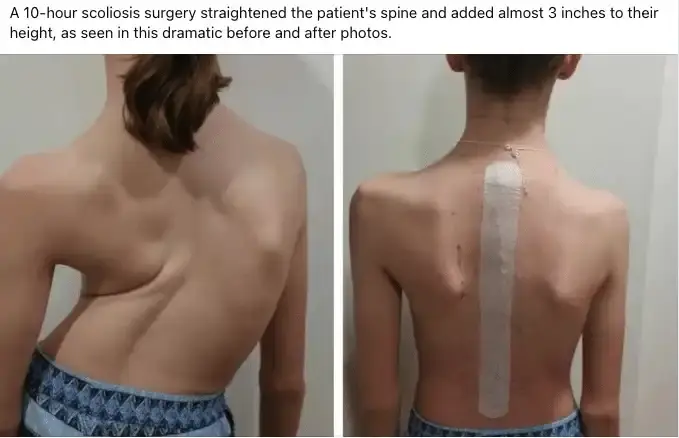
Surgical intervention for dextroscoliosis is considered when curves exceed 45 to 50 degrees, when a curve is progressing despite conservative treatment, or when the patient is experiencing significant pain, neurological symptoms, or functional limitations that cannot be adequately managed through non-surgical means. The primary surgical approach is spinal fusion, in which the curved vertebrae are stabilized using rods, screws, and bone graft material, allowing the spine to heal into a corrected position over time. In experienced hands, spinal fusion for scoliosis produces significant curve correction, lasting stability, and meaningful improvement in quality of life for the vast majority of patients.
The surgeon’s experience is not a minor variable in this equation. It is one of the most important factors in determining outcomes. Complex scoliosis corrections, particularly in adults or in patients with prior failed surgeries, require a surgeon with deep familiarity with spinal deformity, advanced instrumentation, and the clinical judgment to navigate cases that do not follow a predictable path. Dr. Steven Cyr has built his practice around precisely these cases.
As a Mayo Clinic-trained orthopedic spine surgeon with experience treating some of the most complex scoliosis presentations in the country, Dr. Cyr approaches every surgical case with a clear philosophy: the goal is not simply to correct a curve on an X-ray, but to restore the patient’s ability to live fully and comfortably. For patients who have been told their curve is too complex, their case too difficult, or their options too limited, Dr. Cyr’s record of outcomes tells a different story.
With modern treatment plans, most patients maintain active, comfortable lives. Every curve is unique, and the right plan focuses on long-term stability and quality of life.
Dextroscoliosis Outcomes: What Most Patients Experience
One of the most searched and least adequately answered questions in the scoliosis space is simply: what happens to people with this condition over time? Patients and families absorb a diagnosis, read about worst-case scenarios, and often leave their early research feeling more frightened than informed. The reality of dextroscoliosis outcomes, for the vast majority of patients, is considerably more encouraging than the internet tends to suggest.
Understanding likely outcomes based on curve severity, age, and treatment path gives patients something far more useful than general reassurance. It gives them a realistic framework for what their life with this diagnosis actually looks like.
Mild to Moderate Curves: The Most Common Outcome
The majority of patients diagnosed with dextroscoliosis have curves that remain mild to moderate throughout their lifetime. For adolescents with curves under 30 degrees at skeletal maturity, research consistently shows that significant progression in adulthood is uncommon. Many of these patients live full, active lives with no meaningful physical limitation, requiring only periodic monitoring rather than active treatment. The curve becomes a known variable in their health history rather than a defining condition.
For adults diagnosed with mild degenerative dextroscoliosis, outcomes follow a similar pattern when the condition is identified and managed appropriately. Pain and mobility limitations can often be addressed effectively through physical therapy, targeted exercise, and conservative pain management, allowing patients to maintain their quality of life without surgical intervention.
Moderate Curves Treated With Bracing
Adolescents who complete a bracing protocol consistently and under proper specialist supervision have significantly better long-term outcomes than those who do not. When bracing successfully prevents progression during the growth years, many patients reach skeletal maturity with curves that require no further active treatment. The curve stabilizes, the brace is discontinued, and the patient moves into adulthood with a spine that is structurally stable and functionally uncompromised.
Long-term follow-up studies on braced scoliosis patients show that the majority do not go on to require surgery, which represents one of the clearest success stories in conservative spinal care.
Surgical Outcomes: What the Data and Experience Show
For patients who do require surgery, outcomes in experienced surgical hands are strongly positive. Modern spinal fusion techniques produce average curve corrections of 60 to 70 percent, with many complex cases achieving even greater correction depending on curve flexibility and patient factors. More importantly, the functional outcomes — reduction in pain, improvement in posture and balance, restored ability to participate in daily activities — are what patients consistently report as the most meaningful measure of success.
Recovery from scoliosis surgery is a process rather than an event. Most patients are mobile within days of surgery and return to light daily activities within a few weeks. Full recovery, including return to more physically demanding activity, typically unfolds over several months. The timeline varies based on the complexity of the procedure, the patient’s overall health, and the number of vertebral levels involved in the fusion.
What separates good surgical outcomes from exceptional ones is the combination of surgical precision, appropriate patient selection, and the experience to manage the unexpected. Dr. Steven Cyr has treated scoliosis cases across the full spectrum of complexity, including patients who presented with significant curves after prior surgeries, patients who had been turned away elsewhere, and patients whose conditions required innovative approaches rather than standard protocols.
His outcomes reflect not just technical skill but a surgical philosophy centered on restoring what matters most to each individual patient. once he evaluates your condition, he’ll be able to tell you if surgery should be pursued.
The Emotional Arc of a Dextroscoliosis Diagnosis
Outcomes are not purely physical. The emotional experience of navigating a scoliosis diagnosis, particularly for adolescents and their parents, is a real and often underacknowledged part of the journey. Patients who feel genuinely informed, supported, and involved in their treatment decisions consistently report better experiences regardless of the specific treatment path they follow. The relationship between patient and specialist matters in ways that extend well beyond the clinical.
Most patients who engage thoughtfully with their diagnosis, follow through with their treatment plan, and work with a specialist they trust arrive at a place of stability, clarity, and confidence that feels very different from where they started. That trajectory, from uncertainty to understanding to forward movement, is the most common dextroscoliosis outcome of all.
Dextroscoliosis in Children vs. Adults
Dextroscoliosis presents differently depending on the stage of life in which it develops or is diagnosed, and those differences are clinically significant. A curve discovered in a 13-year-old during a growth spurt carries a very different set of considerations than one identified in a 55-year-old experiencing progressive back pain. The underlying mechanics of the spine, the rate at which curves change, and the goals of treatment all shift meaningfully between pediatric and adult presentations. Understanding where your situation falls within that spectrum is one of the most useful things a patient or family can do before a first specialist appointment.
Children and teens rarely feel pain from scoliosis, but their curves can progress quickly as they grow. Adults often feel more discomfort but have slower curve progression. Understanding these differences helps set realistic expectations for treatment.
- Kids and teens: Curves in adolescents are monitored closely because skeletal growth creates a window during which progression can happen rapidly, sometimes several degrees within a single growth spurt. Bracing is most effective during this period precisely because the spine is still developing and can be influenced by consistent external support. Early identification is the single greatest advantage a young patient can have.
- Adults: Curve progression in adults is typically slower but is often accompanied by degenerative changes including disc wear, joint arthritis, and spinal stenosis that compound the discomfort. Treatment in adult patients prioritizes pain reduction, functional stability, and quality of life, with surgical intervention reserved for cases where conservative measures no longer provide adequate relief.
Age shapes both the symptoms and the best treatment path. What matters most is a plan tailored to your stage of life.
Potential Complications If Untreated
Not every curve gets worse, but some do—especially during growth or with age-related degeneration. Monitoring prevents surprises and ensures treatment is available when it’s most effective.
Possible complications include pain, worsening curve, breathing limitations, mobility changes, and visible posture imbalance.
Regular check-ins with a spine specialist prevent small issues from becoming larger challenges. Early intervention makes a meaningful difference.
Living With Dextroscoliosis: Practical Tips
Daily habits can make scoliosis easier to manage. Gentle exercise, core strengthening, and simple posture adjustments help reduce discomfort and support spinal health—regardless of curve size.
Helpful habits include:
- Core strengthening
- Ergonomic seating
- Staying active
- Avoiding one-sided loads
- Maintaining a healthy weight
Small, consistent lifestyle changes often provide big improvements in comfort, posture, and long-term mobility.
When to See a Specialist
If something feels “off,” trust your instincts. A specialist can confirm whether a curve is mild and stable or needs closer monitoring. There’s no downside to getting clarity—and most people feel relieved once they understand their condition.
Seek evaluation for visible posture changes, persistent pain, breathing symptoms, or neurological signs.
Timely evaluation helps ensure the best outcomes. Peace of mind—and a clear plan—are always worth the visit.
Meet Dr. Steven Cyr: One of the Nation’s Most Respected Scoliosis Surgeons
When facing something as important as a spinal condition, the surgeon you choose becomes part of your healing journey. Dr. Steven Cyr, founder of S.A. Spine and a globally recognized spine surgeon, has dedicated his career to helping patients with complex scoliosis—especially those who feel lost, afraid, or unsure where to turn. His approach is rooted in compassion, education, and a deep desire to restore quality of life.
A Mayo Clinic–trained, board-certified orthopaedic spine surgeon, Dr. Cyr also served as Chief of Spine Surgery in the U.S. Air Force. He is widely known for treating difficult and previously mismanaged scoliosis cases, and his patients frequently describe him as a surgeon who truly listens, explains every step clearly, and advocates fiercely for their wellbeing.
Dr. Cyr’s passion for scoliosis care extends beyond the operating room—he is committed to ensuring every patient understands their options, their anatomy, and their potential for recovery. His philosophy is simple: education empowers healing.
For patients seeking clarity, safety, and a surgeon who treats them like family, Dr. Cyr’s patient-centered approach brings confidence and comfort to an otherwise stressful diagnosis.
What to Expect at Your First Dextroscoliosis Appointment
For most patients and families, the period between receiving a diagnosis and sitting down with a spine specialist is the most anxiety-producing part of the entire experience. The unknown is almost always harder than the reality. Understanding what actually happens during a first appointment removes a significant layer of stress and allows the patient to arrive focused, prepared, and ready to have a productive conversation rather than simply absorbing information in a state of worry.
The first appointment is not a surgical consultation. It is an evaluation. The goal is to understand the curve completely before any treatment decisions are made, and a good spine specialist will spend as much time listening as they will examining.
What Happens During the Evaluation
The appointment typically begins with a detailed medical and family history. Your specialist will ask about when symptoms or postural changes were first noticed, whether any family members have been diagnosed with scoliosis, and whether you or your child has experienced any pain, neurological symptoms, or changes in activity tolerance. This history provides important clinical context that imaging alone cannot supply.
A physical examination follows, during which the specialist will assess posture, spinal alignment, shoulder and hip symmetry, and range of motion. The Adam’s forward bend test is commonly used, as it makes rotational changes in the spine and ribcage more visually apparent. Neurological reflexes and sensation may also be checked, particularly if there is any concern about nerve involvement.
Imaging is usually the next step if X-rays have not already been taken. Weight-bearing spinal X-rays provide the clearest picture of the curve’s location, direction, and degree. If the specialist suspects a congenital abnormality, neurological involvement, or a curve pattern that warrants closer examination, an MRI or CT scan may be ordered as well.
Questions Worth Bringing to the Appointment
Patients who arrive with questions get more from their first visit. A few worth considering:
- What is the current degree of my curve and how is it classified
- Is this curve likely to progress, and what factors influence that
- What are my realistic treatment options given my age and curve severity
- What does monitoring look like, and how frequently will we reassess
- At what point would you recommend moving toward more active intervention
- What should I be doing, or avoiding, between now and my next appointment
There are no wrong questions in a first spine appointment. A specialist worth trusting will welcome every one of them.
What You Will Leave With
By the end of a thorough first evaluation, you should have a clear understanding of your diagnosis, a defined next step, and a sense of the timeline ahead. You should not leave feeling rushed, confused, or as though your concerns were minimized. If you do, a second opinion is not just reasonable — it is often the most important decision a patient can make.
Dr. Steven Cyr and the team at SA Spine approach every first appointment with the understanding that a new diagnosis, or a complicated one, carries real emotional weight. The clinical answers matter, but so does feeling genuinely heard. Patients frequently describe leaving their first appointment with Dr. Cyr with a level of clarity and confidence they did not expect to find, which is often the beginning of a very different relationship with their diagnosis than the one they arrived with.
Next Steps: Taking Control of Your Spine Health
If you or your child has been diagnosed with dextroscoliosis, you don’t have to navigate it alone. With the right specialist, a clear plan, and compassionate support, most people live full, comfortable, active lives.
When you’re ready for expert guidance—or a second opinion—connecting with a highly experienced scoliosis specialist can make all the difference. SA Spine embraces all the options for the treatment of scoliosis. Make an appointment with our office today for an in-person evaluation.
For more information on scoliosis surgery, see our page here.
FAQs
What is dextroscoliosis and how is it different from scoliosis?
+What symptoms should I watch for with dextroscoliosis?
+Does dextroscoliosis always require surgery?
+Can dextroscoliosis get worse over time?
+When should I see a spine specialist for dextroscoliosis?
+ This page was medically reviewed by Dr. Steven Cyr, M.D., a Mayo-trained orthopedic spine surgeon.
Our Comprehensive Guide
Authored by Steven Cyr, M.D., F.A.A.O.S., Chief Medical Officer and Surgeon at SASpine, this essential guidebook offers valuable insights into managing back pain effectively. Download your complimentary copy today and take the first step towards a pain-free life!
Send download link to: